

Dallas Republicans in Turmoil After Chairman’s Resignation Amid Voting Controversy

Share
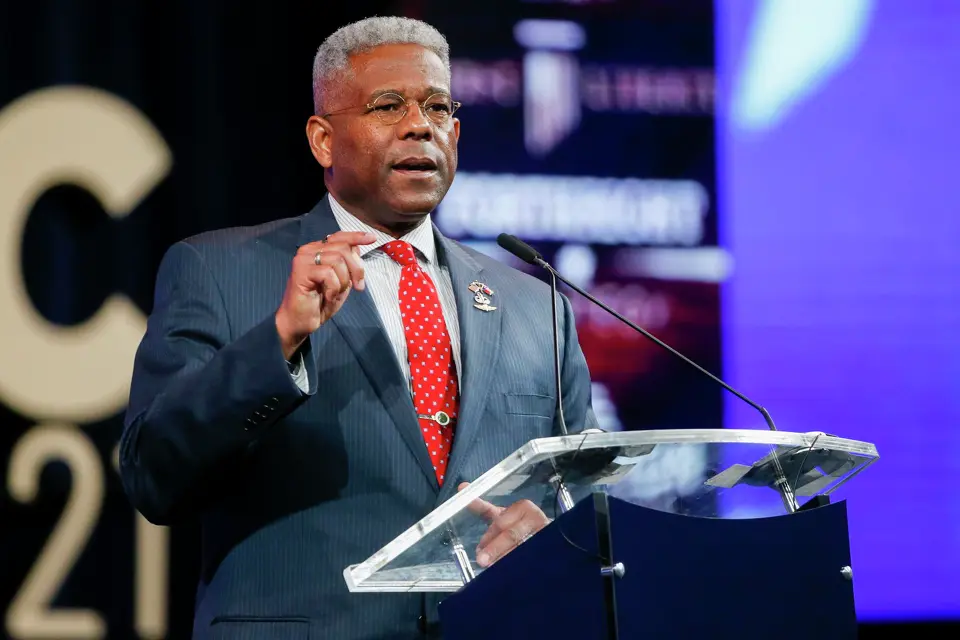
Dallas County Republican Party (DCRP) leaders are grappling with the aftermath of former Chairman Allen West’s resignation, following tensions over a controversial decision to change the party’s precinct-only voting plan. At a heated meeting on April 21, 2026, party members divided on the next steps for the party’s leadership and its approach to the upcoming runoff election.
Resignation Sparks Tensions
Allen West, who had served a single term as chairman and was re-elected for a second term, resigned on April 16, 2026, after strong opposition from party members over his attempt to alter the precinct-based voting system. This system was initially adopted to ensure fairness during elections, but thousands of voters in Dallas were turned away at the polls during the March primary due to mishandling of the plan.
While some of West’s supporters suggested his resignation was driven by personal threats, the majority of the meeting’s attendees expressed frustration over his unilateral decision to meet with county officials to rescind the contract that mandated precinct-based voting. This led to the introduction of two resolutions at the meeting, calling for the reinstatement of the original plan.
A Divided Party
The resolutions, which aimed to reaffirm the precinct-based voting plan, passed by a wide margin: 93 votes in favor, 35 against. A second resolution demanding compliance with the voting plan received even more support, passing 102 to 24.
Barry Wernick, a precinct chair and candidate for Dallas County Commissioner, introduced the resolutions, emphasizing the importance of following the original plan. “We were the leaders in this whole country when we passed this issue,” Wernick declared during the meeting.
Uncertainty Looms Over Election Logistics
With just five weeks remaining until the runoff election, questions remain about whether the elections will proceed under the revised plan. Dallas County Elections Administrator Paul Adams previously warned that if the county’s joint election contract was amended too close to the election date, it would be too late to make the necessary changes.
The county elections department could not immediately provide clarification, adding to the confusion surrounding the election process.
A Party in Crisis
Acting Chair Tami Brown-Rodriguez urged calm during the meeting, but cracks within the party were evident as the discussion unfolded. Some attendees expressed concerns that the party’s focus on internal conflict had taken away from efforts to support Republican candidates during election season. Will Campbell, a candidate for Texas House District 109, read aloud a letter signed by several conservative candidates, condemning the party for not prioritizing campaign efforts over internal disputes.
“A subset of chairs has spent the time [leading up to the election] colluding against our duly elected chairman,” Campbell read, calling attention to the palpable tension within the room.
Legal Challenges and Further Division
Adding to the party’s instability, Barry Wernick filed a writ of mandamus in Dallas County Court, asking election officials to disregard West’s amended contract. While some party members supported this move, others felt it was premature and undermined the DCRP’s internal process.
Despite these divisions, a segment of precinct chairs maintained that the March voting issues were not a failure of the precinct-only model itself but rather a failure in execution. Jack Cox, a precinct chair, described his experience during the primary as “embarrassing,” but stood by the precinct-only model. “What we experienced in the March primary was not a failure of the precinct-only model, it was a failure of execution,” Cox said.
What’s Next for Dallas Republicans?
As the DCRP prepares for the May 4 meeting to elect a new chair, uncertainty looms. It remains unclear whether West’s resignation applies to his second term starting in June or if he will return to the role after a brief hiatus. The outcome of this internal struggle could have far-reaching effects on the party’s ability to unify ahead of the upcoming runoff election.
The resolution passed on Monday emphasized the need for strong leadership to guide the party through this tumultuous period, but the divide within the ranks of the Dallas GOP raises serious questions about the party’s unity as the 2026 election season continues.
Will Dallas Republicans come together to regain their footing, or will this infighting weaken their standing in a critical election year? Only time will tell.