

Who Decides DART Station Locations and Maintenance? Here’s How the System Works

Share
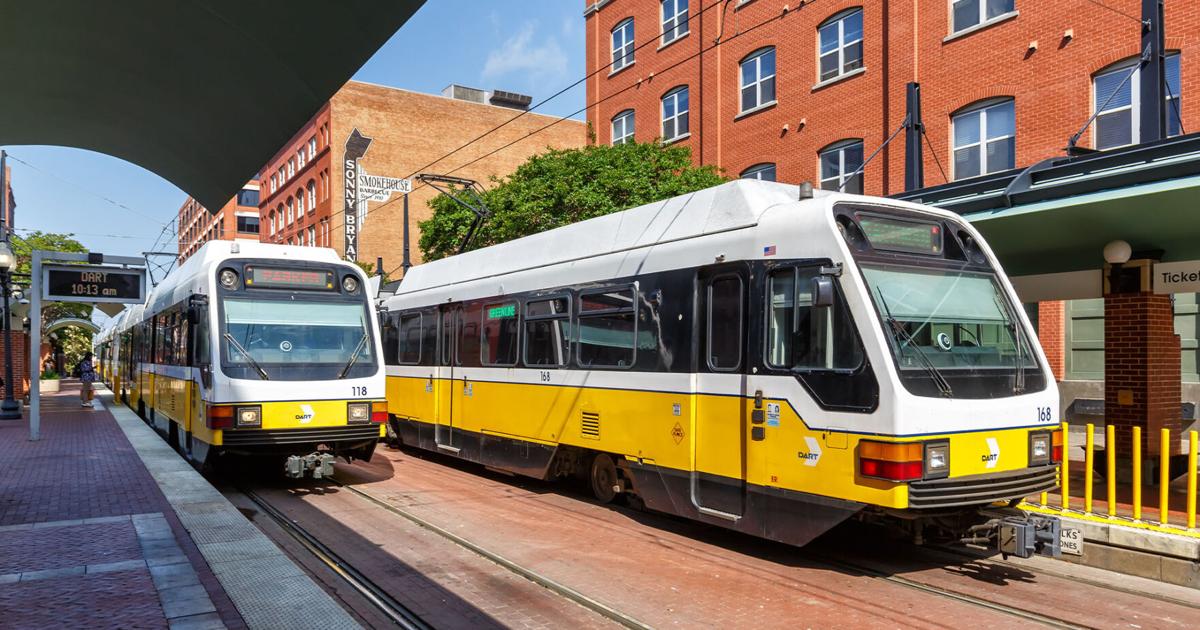
For more than four decades, Dallas Area Rapid Transit (DART) has been the backbone of public transportation in North Texas. Yet many residents still question how station locations are chosen and who is responsible for maintaining them.
A Regional Transit System Built by Voters
DART was established in 1983 through voter approval and is funded by a one-cent local sales tax. It replaced the earlier Dallas Transit System and expanded into a regional network connecting multiple cities across North Texas.
Today, DART operates one of the largest light rail systems in the United States, with approximately 93 miles of track, alongside an extensive bus network.
How Station Locations Are Determined
Decisions about where to place DART stations are not made quickly or in isolation. Instead, they follow a long-term, research-driven planning process. DART conducts corridor-based studies, which analyze specific transit routes and surrounding areas. These studies evaluate factors such as:
- Traffic patterns and congestion
- Population demographics
- Land use and development potential
- Transportation needs of each city
After the studies, DART’s capital planning team collaborates with member cities to finalize plans. Large-scale projects, such as new rail lines, are often planned over many years or even decades. For example, the Silver Line commuter rail, launched in October 2025, took 17 years of planning and development before becoming operational.
Coverage Across Multiple Cities
DART serves a 700-square-mile area that includes Dallas and 12 surrounding cities, such as Addison, Plano, Irving, Richardson, and Garland.
However, the system has recently faced debate in some communities. Voters in Addison, University Park, and Highland Park are set to decide in a May 2 special election whether to remain part of DART, reflecting ongoing discussions about cost and efficiency.
Who Maintains DART Stations?
Maintenance responsibilities are shared between DART and local cities.
- DART maintains station structures, rail infrastructure, and transit facilities.
- Local municipalities handle surrounding roads, sidewalks, and street-level cleanliness.
DART operates an extensive network, including:
- 7,000+ bus stops
- 65 light rail stations
- 12 Silver Line stations
- 24 transit centers
Transit centers often include additional amenities such as parking, restrooms, sheltered waiting areas, and staff support.
How Riders Can Report Issues
Passengers can report maintenance or safety concerns through the “DART Say Something” mobile app, which allows users to submit photos, short videos, and descriptions directly to transit authorities.
Additionally, riders can request improvements—such as benches, shelters, or safety upgrades—through DART’s online Bus Stop Improvement Request system. Each request is reviewed within approximately two weeks.
Ongoing Debate Over DART’s Future
While DART remains a key regional connector, its role continues to be debated. Critics argue the funding model is costly, while supporters warn that cities leaving the system could disrupt regional mobility and weaken transportation infrastructure.
As North Texas grows, decisions about transit planning and investment will likely remain central to discussions about the region’s future.