

Taxpayers Bear the Multi-Million Dollar Burden of Abandoned Oil Wells in Texas

Share
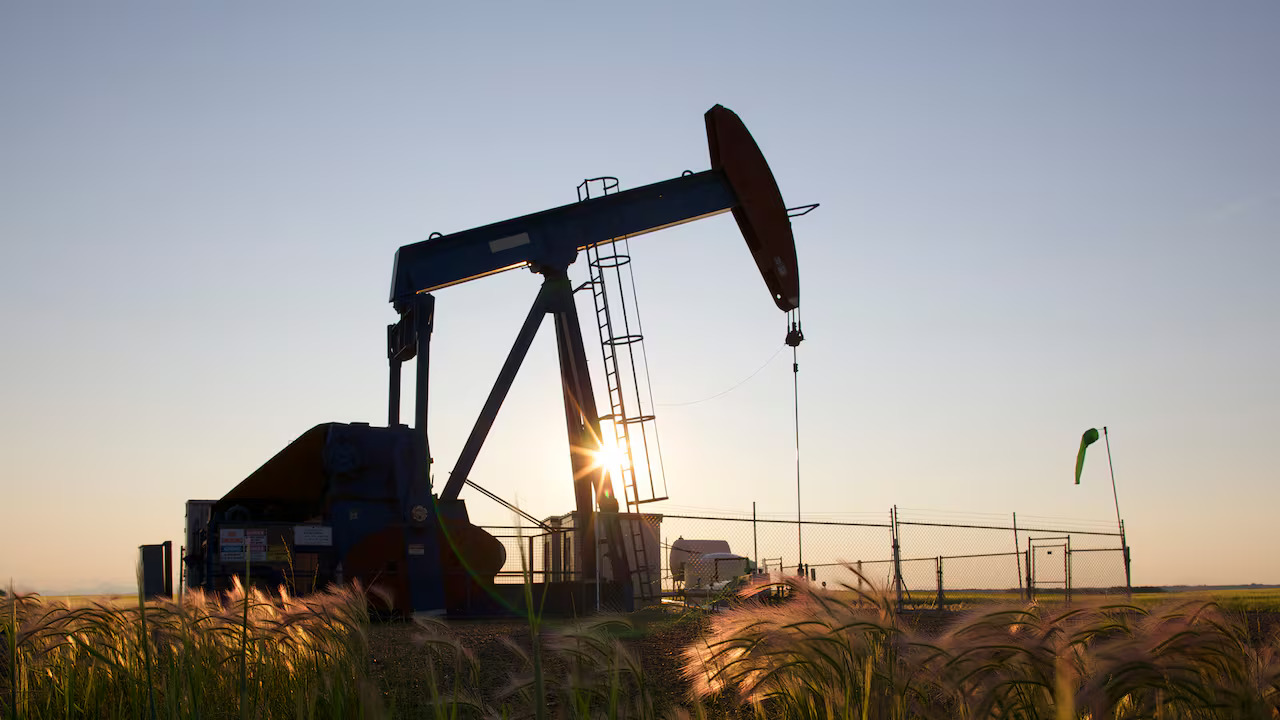
A lack of regulatory oversight and shifting federal policies have left public funds covering the costly cleanup of toxic “orphan” wells across the Lone Star State.
The Rising Cost of Unregulated Drilling
Texas taxpayers are currently funding the cleanup of more than 12,000 “orphan” oil wells—facilities abandoned by energy companies after their commercial viability expired. Despite generating substantial corporate profits during operation, these sites are frequently left unmanaged, shifting environmental and financial liabilities onto the public. To date, hundreds of millions of public dollars, including federal grants, have been allocated toward state remediation efforts.
Environmental Hazards and Public Safety Risks
Unplugged orphan wells pose significant safety and environmental risks to surrounding communities:
- Toxic Leaks: Unmonitored wells can discharge carcinogenic substances, such as benzene, into nearby air and groundwater supplies.
- Geysers and Spills: Severe incidents have occurred statewide, including a 2024 blowout in West Texas where an abandoned site released 14,000 gallons of toxic wastewater per hour. Within a single year, at least eight similar blowouts were recorded.
- Explosive Gas Accumulation: Recent inspections near Corpus Christi revealed orphan wells venting volatile, explosive gases.
Structural Flaws in State Regulation
Industry experts and environmental advocates point to systemic regulatory loopholes as the primary driver of the crisis:
- Inadequate Financial Assurance: Texas imposes minimal bonding requirements on drillers. These low security deposits fail to cover actual plugging and restoration costs when an operator abandons a site.
- Unregulated Asset Transfers: Larger operators regularly sell low-producing or late-life wells to financially unstable companies. When these smaller entities inevitably face bankruptcy, the wells are left without a solvent owner.
Federal Policy Shifts and Regulatory Deadlock
Initial attempts by the Biden administration sought to tie federal cleanup grants to stricter state-level reforms, requiring higher bonds and stricter scrutiny on well transfers. However, state regulators resisted these conditions.
Subsequent policy shifts under the Trump administration prioritized rapid site remediation over structural regulatory updates. The transition period saw significant disruption, including an early 2025 spending freeze and stop-work orders on federal remediation projects. During this federal freeze and administrative pivot, the state’s orphan well inventory expanded by nearly 3,500 sites within a 12-month period.
While federal remediation funding has since resumed, updated guidelines have largely removed emission monitoring requirements and regulatory reform incentives. Without higher bonding thresholds or limits on asset transfers, public funds will continue to cover environmental remediation for private energy operations.