

Dallas Symphony Orchestra Delivers Powerful Performance of Mahler’s Eighth Symphony

Share
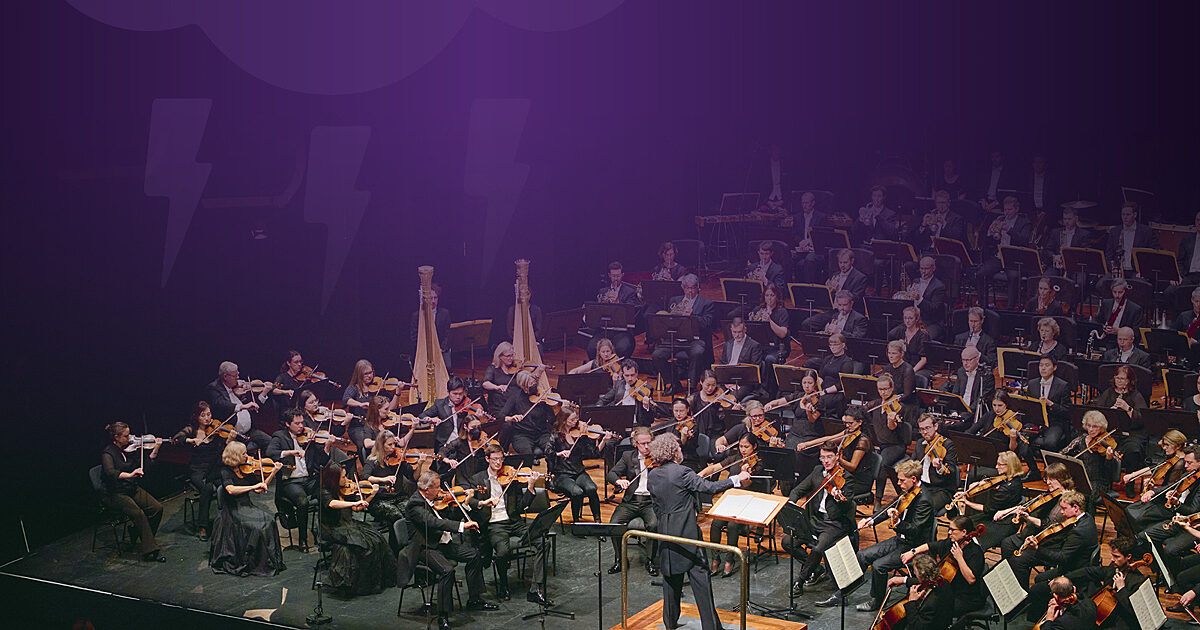
The Dallas Symphony Orchestra delivered a monumental performance of Gustav Mahler’s Symphony No. 8 on Friday night, filling the Meyerson Symphony Center with overwhelming sound, emotional intensity, and a massive gathering of musicians and vocalists.
Led by music director Fabio Luisi, the performance brought together a large orchestra, seven soloists, multiple choruses, additional brass players, and organ accompaniment in one of classical music’s most ambitious works.
Known for its enormous scale, Mahler’s Eighth Symphony is rarely staged because of the extensive number of performers required. The nearly 90-minute composition combines delicate passages featuring instruments such as mandolin and harmonium with explosive climaxes powered by full orchestral and choral forces.
Two-Part Symphony Explores Spiritual Themes
Presented without intermission, the symphony unfolds in two contrasting sections.
The opening movement sets the Latin hymn “Veni, Creator Spiritus,” centered on themes of spiritual inspiration and divine guidance. The second half draws from the concluding scene of Johann Wolfgang von Goethe’s Faust, transforming the literary work into a dramatic musical journey toward redemption.
The performance depicted mystical landscapes populated by hermits, angels, and penitents, all guiding Faust’s soul toward salvation. Themes of love, transcendence, and spiritual renewal connected both parts of the symphony despite their different settings and texts.
Soloists and Choruses Deliver Commanding Performances
Tenor Limmie Pulliam handled the demanding role of Dr. Marianus with power and control, particularly during the work’s punishing high passages. Baritone Luke Sutliff and bass Insung Sim added depth and richness to the ensemble.
The female soloists included sopranos Rachel Willis-Sørensen and Meghan Kasanders, along with mezzo-sopranos Olesya Petrova and Renée Tatum. Soprano Deanna Breiwick delivered the role of Mater Gloriosa from the Grand Tier seating area, creating an ethereal effect during the symphony’s final moments.
Some synchronization issues emerged during the concert, likely because the soloists were positioned at the back of the stage, making it difficult to hear the orchestra clearly.
Massive Choral Forces Shape the Performance
The Dallas Symphony Chorus joined forces with the Baltimore Choral Arts Society under the direction of Anthony Blake Clark. Together, the choruses delivered dramatic climaxes with remarkable precision and balance.
The Dallas Symphony Children’s Chorus, directed by Ellie Lin, added brightness and clarity to the angelic sections of the score.
Throughout the evening, Luisi maintained tight control over the symphony’s massive structure, drawing vibrant colors and dynamic contrasts from the orchestra. The brass section, in particular, stood out for its power and clarity.
Upcoming Performances
The Dallas Symphony Orchestra will perform Mahler’s Eighth Symphony again at 7:30 p.m. Saturday and 2 p.m. Sunday at the Meyerson Symphony Center in Dallas. Ticket prices range from $47 to $274.