
Dallas Faces Growing Competition as Regional Rivals Gain Ground

Share
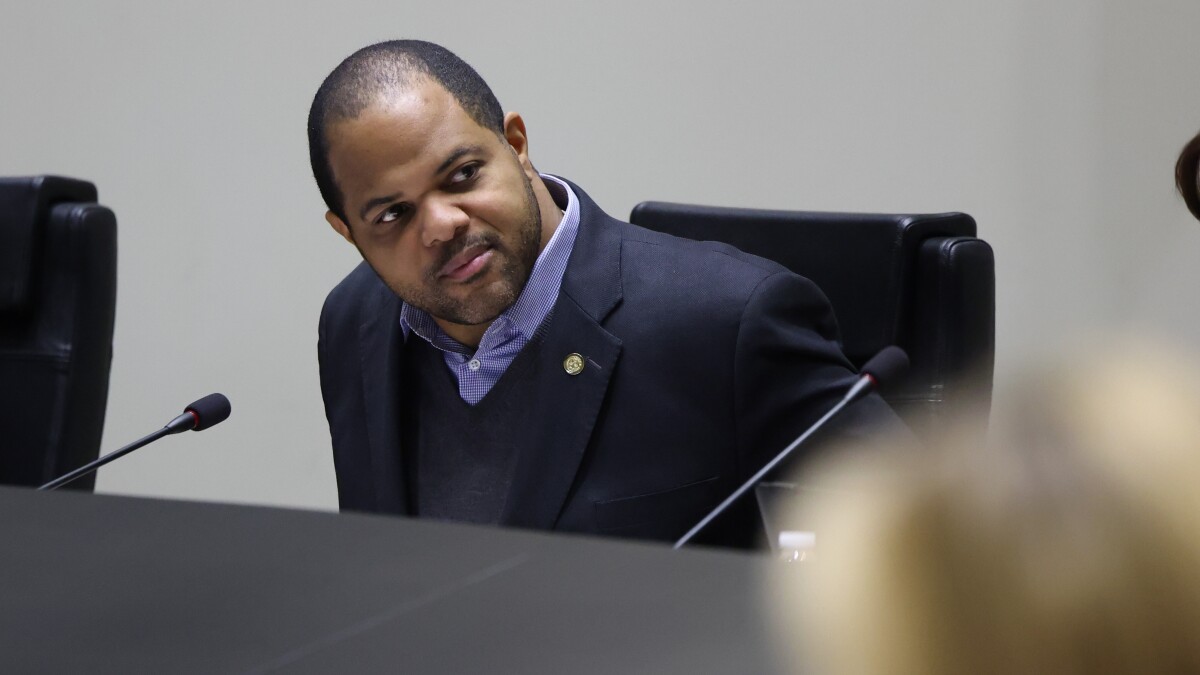
Dallas leaders are confronting difficult questions about the city’s competitiveness after a series of high-profile business exits and major development losses have fueled concerns about its standing within North Texas. Long regarded as the region’s economic and cultural powerhouse, Dallas now faces increasing competition from neighboring cities that are attracting major employers, investments and high-profile projects once expected to land in the city. Mayor Eric Johnson recently underscored the urgency of the situation, warning that Dallas is engaged in an increasingly aggressive battle for influence and economic opportunities.
“The knives are out for our city,” Johnson said, describing the growing pressure from surrounding communities. The debate intensified after the Dallas Mavericks and Dallas Stars announced plans to relocate from downtown Dallas, a move many see as symbolic of broader challenges facing the city.
Concerns Over Leadership and City Hall Divisions
Many residents and civic leaders argue that Dallas’ recent setbacks stem not from a lack of resources but from a lack of unity and effective leadership. During a recent Dallas City Council meeting, downtown resident and former council candidate Sana Syed said the city’s challenges have developed over time rather than resulting from a single event.
“Downtowns rarely die from a single blow,” Syed told council members. “They fade when vision is replaced by complacency and when short-term politics take priority over long-term stewardship.”Her comments reflected broader frustrations that City Hall has become consumed by internal disputes while neighboring cities aggressively pursue businesses, development projects and investment opportunities. Recent controversies surrounding the future of Dallas City Hall, combined with the departures of major employers and the closure of the downtown Neiman Marcus store, have further highlighted divisions among city leaders. Tensions rose after the City Council voted 9-6 in March to explore relocating government operations from the aging City Hall building. Johnson urged council members to move beyond political disagreements and focus on strengthening Dallas’ position within the region.
“We have a serious situation on our hands,” he said. “We are in a very cutthroat competition.”
Former Mayors Call for Greater Accountability
Several former city leaders have also weighed in on Dallas’ future. Former Mayor Tom Leppert argued that the city must improve its ability to follow through on commitments, citing the loss of AT&T’s headquarters relocation to Plano as an example.
“We lost AT&T because we didn’t respond quickly enough,” Leppert said. “We have to demonstrate that we can make and keep our promises.” Former Mayor Mike Rawlings described the city’s current challenge as a “crisis of confidence,” emphasizing that Dallas possesses strong assets but needs greater accountability and execution.
“Blaming confidence issues or regional competition misses the point,” Rawlings said. “This comes down to understanding how business decisions are made and taking responsibility.” Former Mayor Laura Miller pointed to Dallas’ governing structure as a potential obstacle. In a recent opinion piece, she argued that the city would benefit from a stronger mayoral system instead of its current council-manager form of government, which she believes has created leadership gaps and increased developer influence.
Downtown Development Remains a Key Focus
Despite recent setbacks, many civic leaders remain optimistic about downtown Dallas.
Dallas County Commissioner John Wiley Price praised efforts to support continued growth in the urban core and emphasized the importance of maintaining momentum. Downtown Dallas Inc. President and CEO Jennifer Scripps said a new downtown strategic plan is expected later this year. The initiative will focus on improving mobility, connectivity and long-term residential growth. Scripps highlighted ongoing projects, including a new Dallas ISD pre-K through 12 campus south of downtown, as signs that the area continues to evolve. Plans also call for the addition of 3,000 to 4,000 hotel rooms to support the city’s expanded convention center project. According to Scripps, the goal is to transform downtown into a destination where people choose to live, not simply work.
“All we need to do is focus,” she said.
Suburbs Continue to Attract Major Projects
While Dallas remains the region’s largest city, suburban communities such as Plano, Frisco and Irving have increasingly succeeded in attracting corporate relocations and major developments. Developer Fehmi Karahan, who led Frisco’s $10 billion Fields development, said suburban governments often benefit from greater unity and faster decision-making.
He noted that Plano’s at-large council structure encourages members to prioritize citywide interests rather than district-specific concerns. Karahan said Dallas still possesses significant advantages but must improve execution and better maintain critical assets.
“Take UT Southwestern,” he said. “You’re on Harry Hines and there are potholes everywhere.”
Dallas Leaders Remain Optimistic
Supporters of Dallas point to major investments already underway, including the $3.7 billion convention center redevelopment, new parks and continued growth in financial services and technology sectors.
City officials also emphasize the advantages Dallas retains, including its large population, extensive transportation infrastructure, cultural institutions, two major airports and billions of dollars in planned development. Linda McMahon, CEO of the city-affiliated Economic Development Corp., said Dallas continues to attract strong interest from companies considering expansion and relocation opportunities. She also highlighted efforts to position the city as a hub for technology and advanced manufacturing, including upcoming visits from international business delegations.
“I’m optimistic about the future of the city of Dallas because we are the name brand, we are the region,” McMahon said.
North Texas No Longer Revolves Around One City
Arlington Mayor Jim Ross said the changing landscape reflects the growth of the entire North Texas region rather than a decline in Dallas itself. Ross noted that regional leaders frequently collaborate on major opportunities even while competing for projects and investment. According to Ross, companies increasingly evaluate factors such as public safety, schools, neighborhoods and local leadership alongside financial incentives when choosing where to locate. Arlington has attracted 13 new North American or global headquarters over the past five years, he said, by fostering strong business relationships and a welcoming environment. Ross rejected suggestions that Dallas is falling behind, saying the city remains a major force in the region.
“Dallas is going to be just fine,” he said.
Still, he added that Arlington remains ready to compete for future opportunities. “If the Mavericks and the Stars want to change their minds on anything,” Ross said, “Arlington is still open for business.”
A Defining Moment for Dallas
As North Texas continues to expand, Dallas finds itself at a critical juncture. While the city maintains significant economic, cultural and infrastructure advantages, growing competition from neighboring communities has intensified pressure on leaders to improve execution, strengthen collaboration and redefine the city’s future role within an increasingly competitive region.
City Council member Paula Blackmon summed up the challenge facing Dallas: “We need to figure out how to get our groove back.”