

Cultural Friction and Polarization Transform North Texas City Council Meetings into Political Spectacles

Share
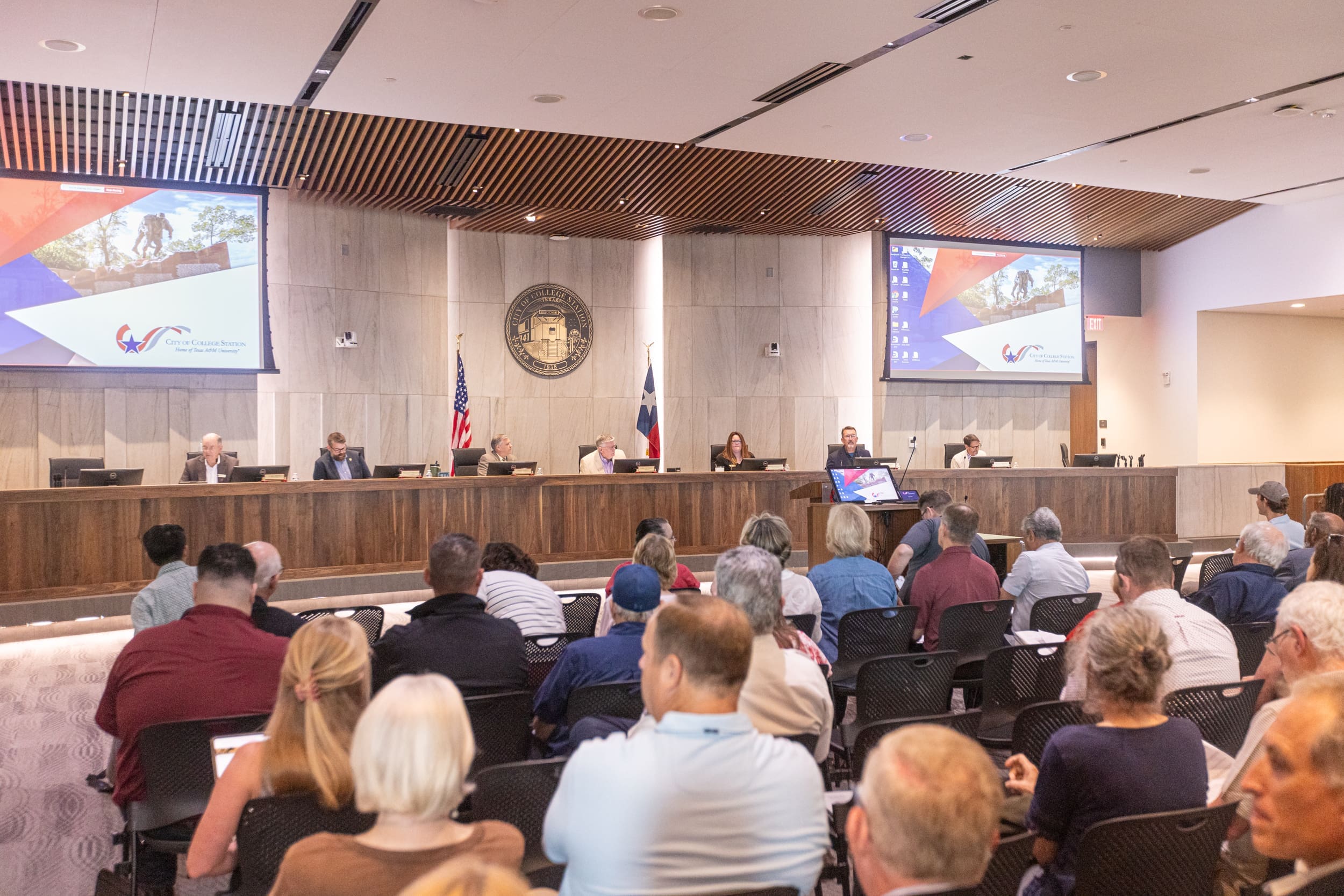
Disagreements over suburban demographic shifts, high-tech developments, and voting policies have turned routine municipal sessions into crowded, high-tension public standoffs.
Escalating Tensions Across Suburban Chambers
Once routine forums for administrative votes and municipal contracts, local government proceedings across North Texas have increasingly transformed into volatile political arenas driven by national debates and social media mobilization.
In McKinney, public crowds filled the lobby, overflow areas, and outer grounds during a recent council meeting regarding the site plan for a proposed mosque submitted by the McKinney Islamic Association. Despite its placement on the consent agenda, the session required over four hours of public testimony before achieving unanimous approval near midnight. Former McKinney Mayor George Fuller noted that while residents brought forth localized infrastructural concerns, the broader forum was co-opted by outside commentators seeking political leverage. Conversely, U.S. Representative Keith Self characterized the public presence as local citizens exercising their civic rights regarding community standards.
Summary of Key Incidents Across North Texas
| Location | Core Issue / Proposal | Public Reaction & Disturbances |
| McKinney | Site plan approval for a new mosque | Hundreds turned away by fire marshals; four hours of public testimony; outside crowd banging on glass doors. |
| Frisco | Zoning for a mosque and two temples; general non-agenda public comment | Months of xenophobic and anti-immigrant tirades; armed demonstrations outside; disruption by out-of-state activists resulting in police escorts. |
| Tarrant County | Proposed reductions to election day voting centers | Tense debate leading to the physical removal of speakers by law enforcement for technical decorum violations, such as touching the microphone. |
| Red Oak / Westlake / Fort Worth | Rezoning requests for incoming data centers | Extended marathon sessions with residents protesting high-tech expansion in favor of preserving local land use. |
Safety Measures and Decorum Adjustments
The frequency of chaotic council sessions has forced regional leadership to evaluate existing public participation frameworks to maintain safety without infringing on First Amendment protections:
- Public Comment Restrictions: Following an incident where Florida activist Jake Lang was removed by police for decorum violations, former Frisco Mayor Jeff Cheney suspended non-agenda public comments, citing growing safety concerns for residents and staff.
- Strict Decorum Enforcement: In Tarrant County, rigid enforcement of meeting protocols led to law enforcement physically removing a 73-year-old former state representative for picking up a microphone during testimony on voting center cutbacks.
- Geographic Prioritization Proposals: Council members in several municipalities are currently debating policies that would prioritize local residents during public comment periods over non-resident activists utilizing local meetings for digital content creation.
Balancing Public Access and Municipal Function
City officials remain divided on the long-term approach to governing during heightened public unrest. While former municipal leaders emphasize that outside interference undermines genuine local representation, civic activists argue that restricting public comment limits the community’s ability to bring unlisted concerns to their elected representatives. Councils across the region continue to review meeting structures to ensure operational continuity while preserving public access.