

McKinney City Council Unanimously Approves Mosque Plan Following Divided Public Hearing

Share
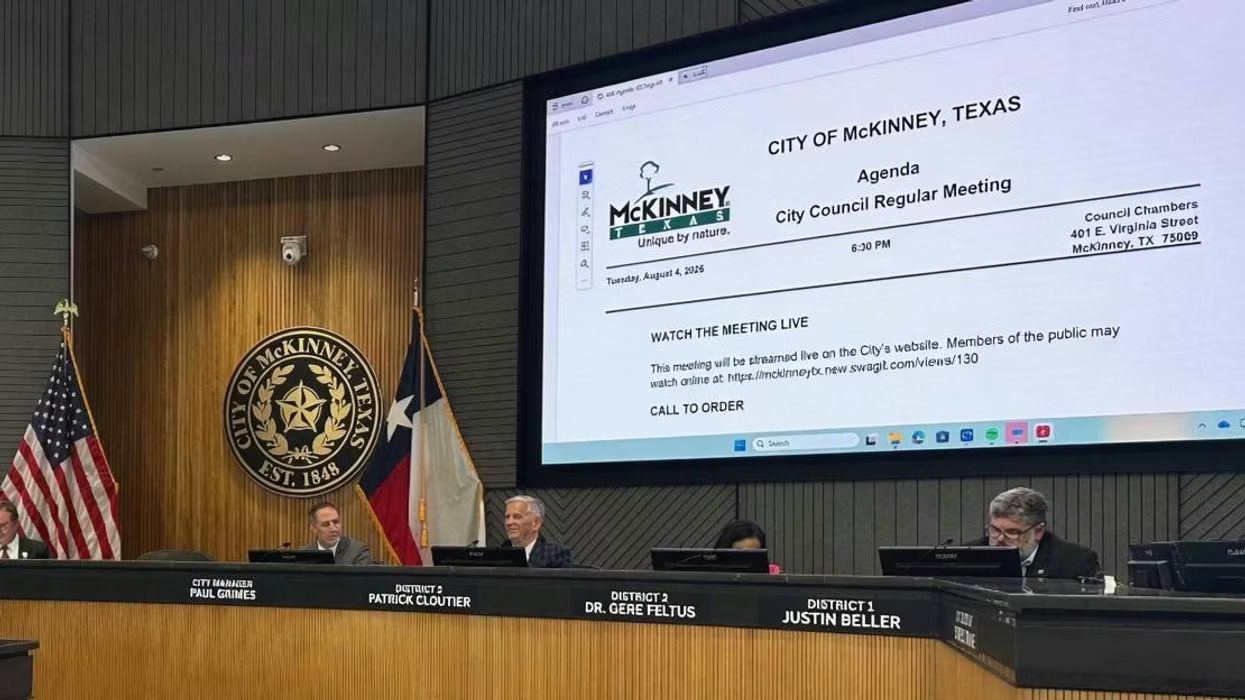
The McKinney City Council voted 7–0 on August 4, 2026, to clear the site plan for a new McKinney Islamic Association mosque, choosing strict regulatory compliance over a heavily opposed public forum.
The decision capped off an intense public hearing that featured 110 individual speaker turns, revealing a deep community divide over the proposed development.
Public Opposition Centers on Land Use and Religious Concerns
During the public comment period, 69 attendees spoke against the development, while 40 voiced support. A single resident asked city officials to defer the vote.
An analysis of the public comments shows that opposition fell into three main categories:
- Land-Use Concerns Only: 21 speakers restricted their remarks strictly to municipal planning matters, including traffic flow, parking limits, zoning codes, and engineering standards.
- Combined Arguments: 15 speakers raised administrative or infrastructure issues alongside theological or political objections.
- Ideological and Religious Objections: 33 speakers focused exclusively on topics such as Sharia law, national identity, Christianity, demographic shifts, or Islam.
In total, 48 opponents raised claims regarding Islam as a religion, political philosophy, or cultural force. Frequent points of concern included the city’s approval process, McKinney’s local Christian identity, traffic congestion, and alleged affiliations between Muslim organizations and radical groups.
Supporters Emphasize First Amendment and Legal Compliance
Proponents of the project focused heavily on constitutional guarantees and technical readiness. Key arguments in favor of the mosque highlighted:
- Constitutional Protections: Equal treatment of religious groups under the First Amendment.
- Regulatory Compliance: Over two years of design adjustments made in direct coordination with municipal staff and civil engineers.
- Data and Community Impact: Favorable findings from official traffic impact assessments and the positive civic involvement of local Muslim residents.
Faith Community Divided
Christian residents addressed the council from both sides of the debate. While 18 opponents cited their Christian faith to object to the construction, 11 Christian supporters pointed to their religious principles to argue for equal religious freedom and support for their Muslim neighbors.
Despite hours of contentious debate, council members determined that the site plan fulfilled all legal and engineering criteria set by the city, passing the measure with full consensus.