

Dallas Mayor Eric Johnson Proposes Spending Cuts and Nonresident Fees to Plug $51 Million Budget Deficit

Share
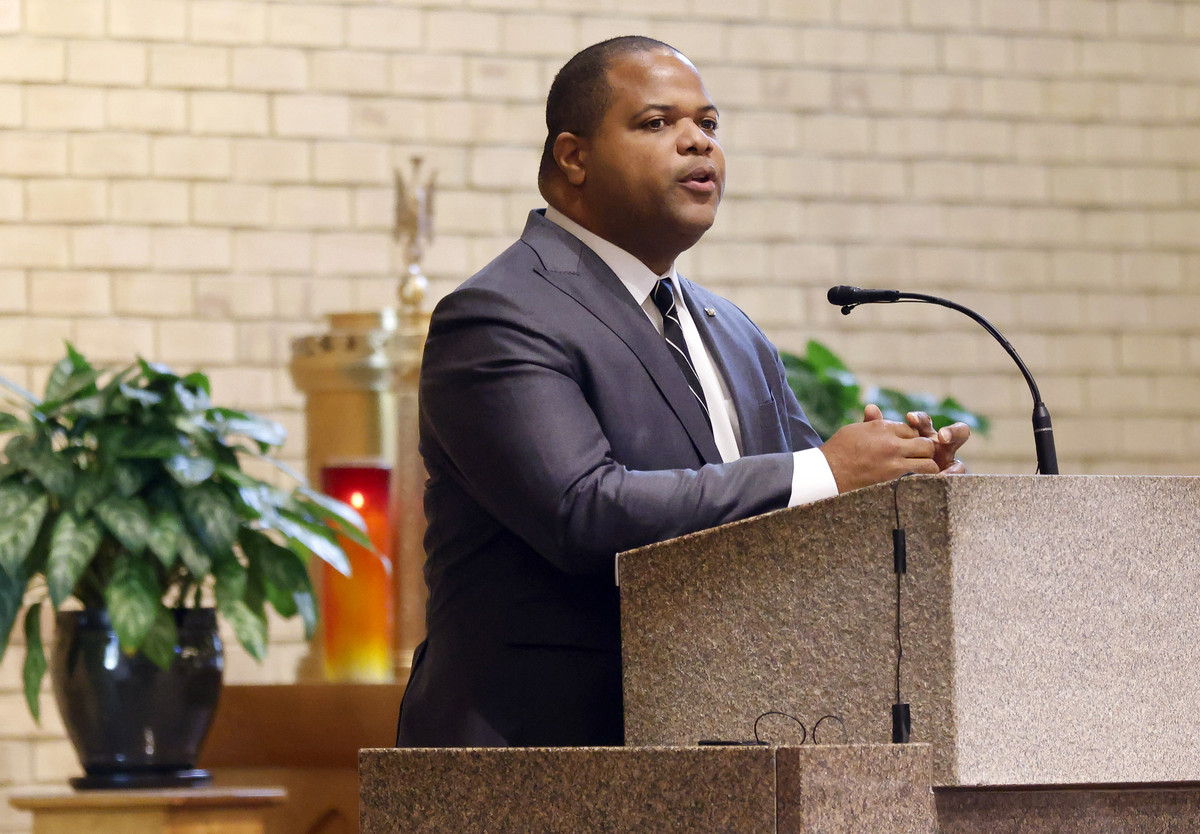
Facing a projected $51 million budget shortfall for the upcoming fiscal year, Dallas Mayor Eric Johnson has unveiled a comprehensive plan aimed at shrinking city bureaucracy, lowering the property tax rate, and generating new revenue streams without burdening local residents.
Johnson outlined his recommendations in a newsletter and a memo delivered to City Manager Kimberly Bizor Tolbert. The strategy focuses on streamlining municipal operations, shifting non-core services to external entities, and ensuring nonresidents contribute a fair share for city-funded attractions.
Trimming Bureaucracy and Shifting Non-Core Services
Johnson contends that Dallas’s municipal government has grown excessively large and costly over the past decade, driven in part by “growth for the sake of growth.”
Rather than implementing across-the-board spending cuts—which he warned could degrade essential services and harm the city’s tax base—the mayor advocates for targeted reductions. He instructed departments to eliminate waste, standardize vehicle fleets, and streamline purchasing processes for software, furniture, and equipment.
To further reduce payroll and operational burdens, Johnson suggests reassigning specific municipal responsibilities:
- Public Health Services: Transferring programs like lactation support to Dallas County, which handles public health for the region.
- Recreational Facilities: Partnering with private operators to manage city-owned venues like the Southern Skates roller rink.
Under Johnson’s framework, core city funding would focus strictly on public safety, street maintenance, infrastructure, parks, development, and code compliance.
Lowering Tax Rates and Protecting Public Safety
Despite the financial crunch, Johnson insists Dallas must reduce its property tax rate for another year to remain economically competitive with surrounding suburbs. While a lower tax rate limits local government revenue, the mayor noted that rising property valuations might still lead to higher overall bills for property owners.
Importantly, the proposed cost-cutting will not apply to emergency services. Johnson emphasized that funding for police officers and firefighters—including competitive salaries, recruitment efforts, and mandatory pension contributions—must remain untouched. He credited consistent public safety investments with driving down violent crime in Dallas for five consecutive years.
Raising Revenue: Coffee Shops and Higher Nonresident Attraction Fees
To generate income without raising property taxes, Johnson proposed several commercial and fee-structure adjustments:
- Commercial Leases in Public Buildings: Leasing space within public libraries to coffee shops and cafes, mirroring successful models in Austin and Cedar Hill.
- Updated User Fees: Raising rental rates for private events at parks, recreation centers, and sports facilities to reflect real market costs.
- Higher Nonresident Pricing: Charging higher admission fees to non-Dallas residents at city-subsidized landmarks, including the Dallas Zoo and the Dallas Arboretum.
According to Johnson’s memo, out-of-town visitors make up nearly 80% of guests at these locations. Because Dallas taxpayers already subsidize these amenities through local taxes, Johnson argues nonresidents should pay higher entry fees to help cover operational costs, similar to the city’s current pricing structure for public aquatic centers.
“We must ensure that Dallas taxpayers are not paying a premium for living in the cultural and economic center of North Texas,” Johnson stated, noting that general fund dollars should not subsidize services for visitors living outside city limits.
What Happens Next?
The mayor’s recommendations serve as advisory guidelines as the city navigates its immediate and upcoming fiscal challenges. City staff are currently taking unpaid furlough days to help close a separate $30 million gap in the current year’s budget, brought on by high overtime costs, inflation, and lagging sales tax revenues.
City Manager Kimberly Bizor Tolbert will release her official draft budget on August 11, 2026. That release will kick off a series of public town hall meetings across all city districts, giving residents an opportunity to review the proposals and provide feedback before the City Council votes on the final budget ahead of the October 1 fiscal deadline.
Key Takeaways: Mayor Johnson’s Budget Plan
- Protect Essential Services: Maintain funding for police and fire recruitment, pay, and pensions.
- Reduce Tax Rates: Lower the municipal property tax rate to keep Dallas competitive.
- Focus Resources: Limit direct city spending to public safety, infrastructure, parks, and development.
- Modernize Purchasing: Standardize the city vehicle fleet and centralize equipment buying.
- Monetize City Spaces: Bring coffee shops into libraries and adjust user fees for sports and park facilities.
- Adjust Attraction Fees: Increase admission prices for non-Dallas residents at city-funded venues like the zoo and arboretum.