
Faith, Power, and the Pulpit: How Dallas Became the Epicenter of American Evangelicalism

Share
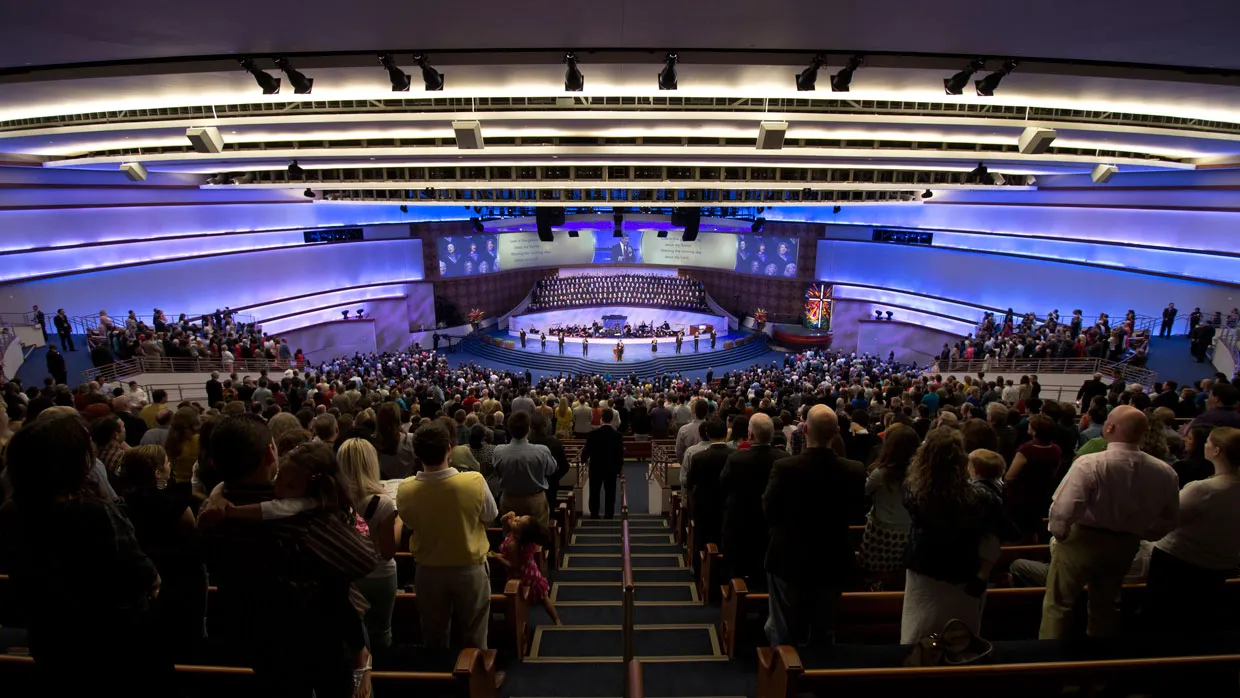
For nearly a century, the Dallas-Fort Worth metroplex has done far more than just construct massive places of worship. It built a religious movement that reshaped the cultural and political landscape of the entire United States.
By serving as a premier training ground for ministers, pioneering modern media broadcasting, and blending faith with conservative politics, North Texas established itself as the nerve center for modern American evangelicalism.
A Pipeline for Pastoral Leadership
The foundation of Dallas’ religious influence rests on its academic institutions. For generations, the Dallas Theological Seminary and the Fort Worth-based Southwestern Baptist Theological Seminary have educated tens of thousands of pastors.
These schools did not just supply Texas churches with leadership; their graduates and theologians exported a specific brand of evangelical theology across the globe, anchoring North Texas as a dominant hub for Christian thought and leadership.
From Radio Waves to Virtual Megachurches
Dallas ministries have consistently been at the forefront of media innovation to maximize their reach. In the mid-20th century, regional leaders transitioned from traditional radio broadcasts to high-production televangelism, bringing Texas pulpits directly into millions of living rooms nationwide.
Long before the COVID-19 pandemic forced global religious institutions to pivot online, Dallas-area megachurches had already mastered digital streaming. Today, these ministries leverage social media algorithms to amplify their weekly sermons, ensuring their message transcends geographical boundaries.
The Intersection of Scripture and Statecraft
The sermons broadcast from Dallas have frequently extended beyond scripture into mainstream culture and American governance.
In the latter half of the 20th century, W.A. Criswell, the influential pastor of First Baptist Dallas, successfully pushed the Southern Baptist Convention toward a staunchly conservative theological stance. This shift solidified a powerful alliance between evangelical Christians and the Republican Party—a voting bloc that remains a critical force in modern American elections.
That political legacy continues today. High-profile North Texas faith leaders, such as Robert Jeffress of First Baptist Dallas and Jack Graham of Prestonwood Baptist Church in Plano, maintain significant national platforms, frequently participating in major cultural debates and openly advising Donald Trump.
Culture Shapers or Political Actors?
While critics point to various controversies and secular challenges that have hit high-profile ministries over the decades, local church leadership views political and cultural engagement as a core religious duty.
Ben Lovvorn, executive pastor of First Baptist Dallas, notes that Christians bear a responsibility to impact society, which includes communicating directly with civic leaders. According to Lovvorn, the primary goal is not political control, but rather spreading Christian theology and upholding the Judeo-Christian principles that he states the country was built upon.
Ultimately, through its powerful combination of institutional training, media dominance, and political mobilization, Dallas continues to project an immense amount of influence over the trajectory of American Christianity.