Frisco, Texas Emerges as Flashpoint in Anti-Indian Immigration Backlash

Share
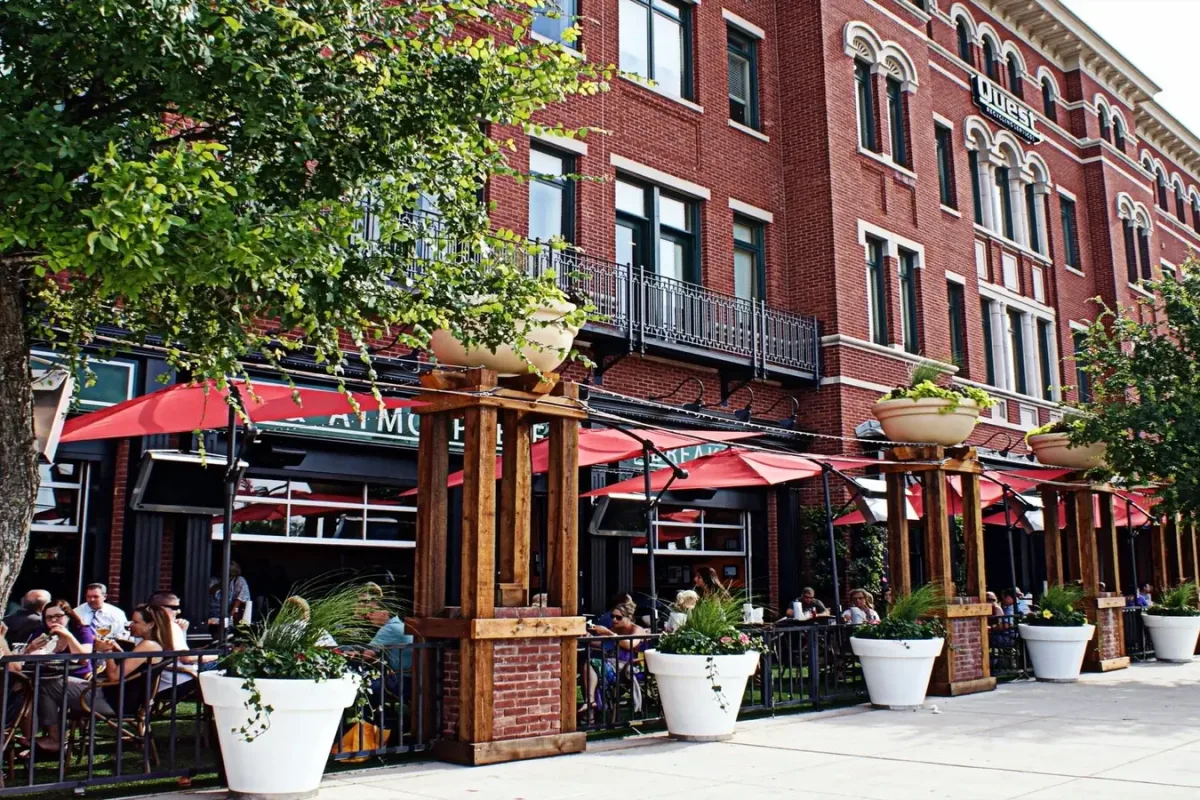
Frisco, Texas, has become a focal point in a growing backlash against Indian Americans as rapid demographic change in the Dallas-Fort Worth suburb fuels online hate campaigns and public hostility over immigration.
Over the past two decades, Indian Americans have become a prominent part of Frisco’s population. That visibility has increasingly drawn attacks from activists and online agitators who have promoted false claims of an “Indian takeover” and blamed the community, without evidence, for problems related to housing and the local economy.
Why Frisco matters
The tensions unfolding in Frisco reflect wider national unease over immigration and shifting demographics. The suburb has become a visible battleground for those anxieties, showing how demographic change can be weaponized through misinformation and scapegoating.
For Indian American families in Frisco, the effects have gone beyond online rhetoric. The escalation in harassment has deepened fear and anxiety within the community and raised broader concerns about how anti-immigrant narratives can fuel division in public life.
Online hate campaigns intensified in 2025
Anti-Indian content targeting Frisco gained sharp momentum in 2025, spreading widely across social media, particularly on X. The rhetoric grew increasingly aggressive, featuring ethnic slurs, conspiracy theories about demographic replacement, and calls for mass deportations.
During the summer of 2025, several hundred hateful posts aimed at Indians on X drew nearly 281 million views. By the end of the year, more than 24,000 anti-Indian posts on the platform had generated over 300 million total views. Weekly anti-Indian content had also tripled compared with previous years.
The tone of the posts hardened over time. Explicit ethnic slurs began circulating in early 2025, followed later in the year by conspiracy-driven narratives portraying Indians as demographic “replacers” or cultural “invaders.”
Violent rhetoric and slur usage also rose
The rise in online hostility tracked with broader reporting on anti-Indian rhetoric. Between 2023 and late 2025, Stop AAPI Hate documented an increase of more than 115 percent in anti-Indian slurs associated with violent rhetoric.
That pattern underscored growing concern that online hate was not isolated commentary, but part of a broader effort to stigmatize a specific immigrant community.
Tensions spilled into a Frisco city council meeting
The online hostility moved into the public sphere on February 3, 2026, when a tense Frisco city council meeting brought the issue into sharp focus. Most of those who spoke were not Frisco residents, but activists from nearby areas who confronted the city’s Indian American community.
City officials rejected the narrative of an “Indian takeover,” but the emotional impact on residents was clear. The meeting highlighted how online agitation can translate into real-world intimidation, especially for communities already facing sustained harassment.
A local issue with national significance
What is happening in Frisco is not only a local dispute over population change. It reflects a broader national struggle over immigration, identity, and political rhetoric. As false narratives and ethnic scapegoating spread more easily online, communities like Frisco are increasingly being pushed to the front lines of that conflict.