
Collin County’s Population Boom Fuels Surge in Voter Registration Across Fast-Growing Cities

Share
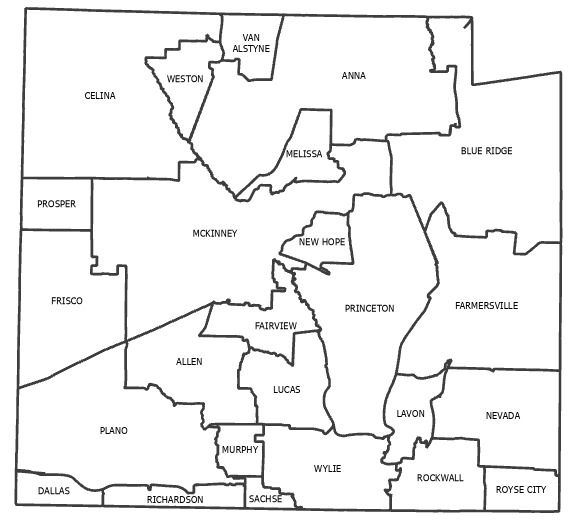
Voter registration across Collin County’s major cities has surged dramatically between 2018 and 2026, reflecting both rapid population growth and increasing civic participation in one of the fastest-growing regions in Texas.
According to newly compiled data, some of the county’s fastest-growing cities—including Princeton, Celina, and Anna—have seen voter rolls more than double over the eight-year period. Princeton leads the trend with a 173% increase in registered voters, rising from 9,945 in 2018 to 27,202 in 2026. This growth closely mirrors the city’s population boom, which expanded from just over 11,600 residents to an estimated 46,700.
Similarly, Celina experienced a 156% jump in voters, while its population surged more than fivefold, positioning it as one of the fastest-growing municipalities in North Texas. Anna and Melissa also posted triple-digit voter growth, underscoring the broader expansion occurring in northern Collin County.

More established suburban cities such as Frisco, McKinney, and Allen recorded strong but comparatively moderate increases. Frisco’s voter base grew by nearly 39%, from 57,122 to over 79,000, alongside a population increase exceeding 60,000 residents. McKinney added more than 49,000 voters, while Allen’s voter rolls climbed by nearly 38%.
Meanwhile, fully built-out cities such as Plano and Richardson showed slower growth, with voter increases of 7.6% and 21.9%, respectively. These trends align with relatively stable population growth in these areas, suggesting they may be approaching saturation in both housing and voter registration.
Smaller communities, including Farmersville, Wylie, and Royse City, also demonstrated notable gains, reflecting outward expansion from the Dallas metropolitan core.
In contrast, the portion of Dallas within Collin County remained essentially flat in voter growth, highlighting a stark divide between rapidly expanding suburban and exurban areas and more established urban zones.
Overall, the data illustrates a clear pattern: population growth and voter registration are closely linked across Collin County, with the most dramatic increases occurring in newly developing cities. As these communities continue to expand, their growing voter bases are likely to play an increasingly influential role in shaping local and regional elections in the years ahead.

