Civil Rights Groups Pressure Federal Government in Minneapolis Over Immigration Enforcement

Share
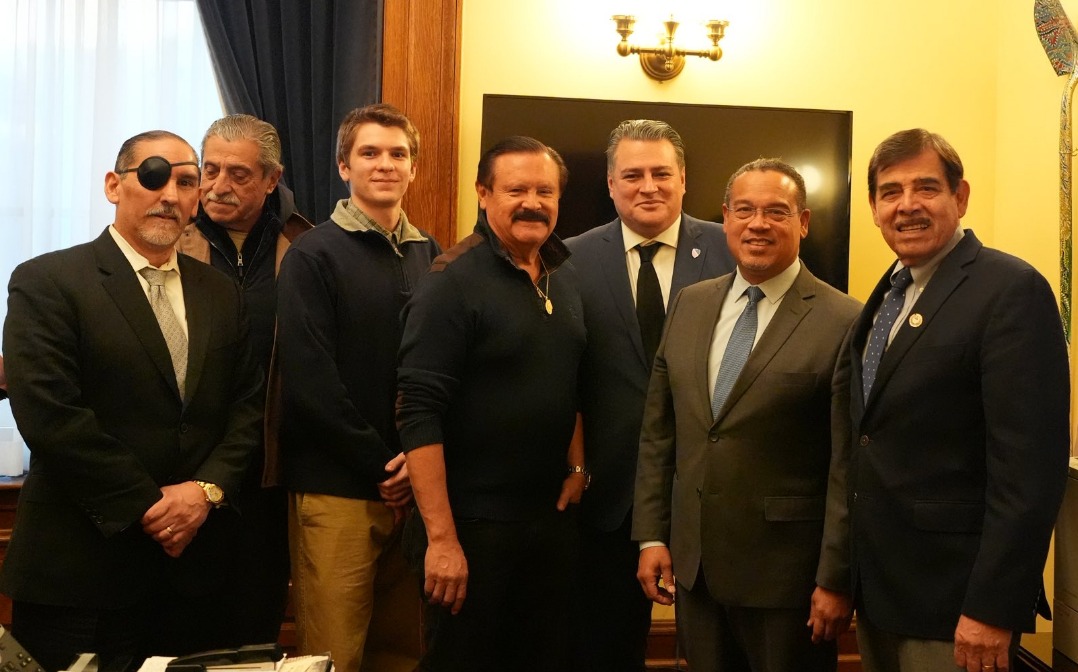
MINNEAPOLIS, MN — Leading civil rights organizations have come together in Minneapolis this week to demand federal accountability amid ongoing controversy surrounding Operation Metro Surge, the large‑scale immigration enforcement effort underway in the Twin Cities. The League of United Latin American Citizens (LULAC) — the nation’s oldest and largest Latino civil rights group — joined forces with the National Association for the Advancement of Colored People (NAACP) to call for greater transparency and independent investigation into federal immigration actions that have sparked widespread concern and protest.
Activists and community leaders gathered Tuesday with heavy hearts but clear demands. LULAC’s national president, Roman Palomares, said recent weeks have seen what the group describes as an escalation in enforcement tactics that have contributed to fear in neighborhoods, loss of life and deep divisions within immigrant communities. “Videos and multiple eyewitness accounts have raised serious questions about official narratives and practices,” Palomares said, urging a transparent, independent inquiry into both federal immigration operations and conditions in detention facilities.
The alliance between LULAC and the NAACP aims to amplify calls for federal accountability as local residents, civil rights advocates and lawmakers scrutinize how immigration enforcement agents have operated under the ongoing federal initiative. The groups have also expressed concern over deaths reported in immigration detention centers, and they stress the need for oversight that ensures constitutional protections.
Operation Metro Surge — a federal effort led by U.S. Immigration and Customs Enforcement (ICE) and coordinated with other Department of Homeland Security components — has drawn national attention since its launch in late 2025. A surge of thousands of enforcement personnel has conducted arrests and actions across Minnesota, leading to demonstrations and protests from local residents and advocacy groups.
The deployment has also been shadowed by controversy: in recent days, federal agents involved in a high‑profile shooting in Minneapolis have been placed on administrative leave amid ongoing reviews. The federal government has acknowledged multiple investigations into the incidents, with the Biden administration and others calling for accountability.
In their joint statement, the NAACP underscored their broader critique of federal immigration enforcement and urged lawmakers to reconsider future funding for related agencies. “The United States Senate needs to vote no on any funding that will go to ICE,” NAACP field chief Dominic Whitehead said, asserting that current federal approaches undermine civil rights protections and community trust.
Beyond Minneapolis, civil rights organizers are also working with lawmakers and planning additional events in other regions. LULAC officials confirmed plans for a rally in San Antonio, Texas, focusing in part on securing the release and fair treatment of immigrants and families affected by enforcement operations.
The combined efforts of LULAC, the NAACP and local chapters demonstrate a coordinated push for accountability and reform of federal immigration policies — a movement gaining urgency amid widespread debate over enforcement tactics, community safety and constitutional rights.