

Pastor Irvin Barrett on Justice, Public Service, and His Vision for Collin County Precinct 3

Share

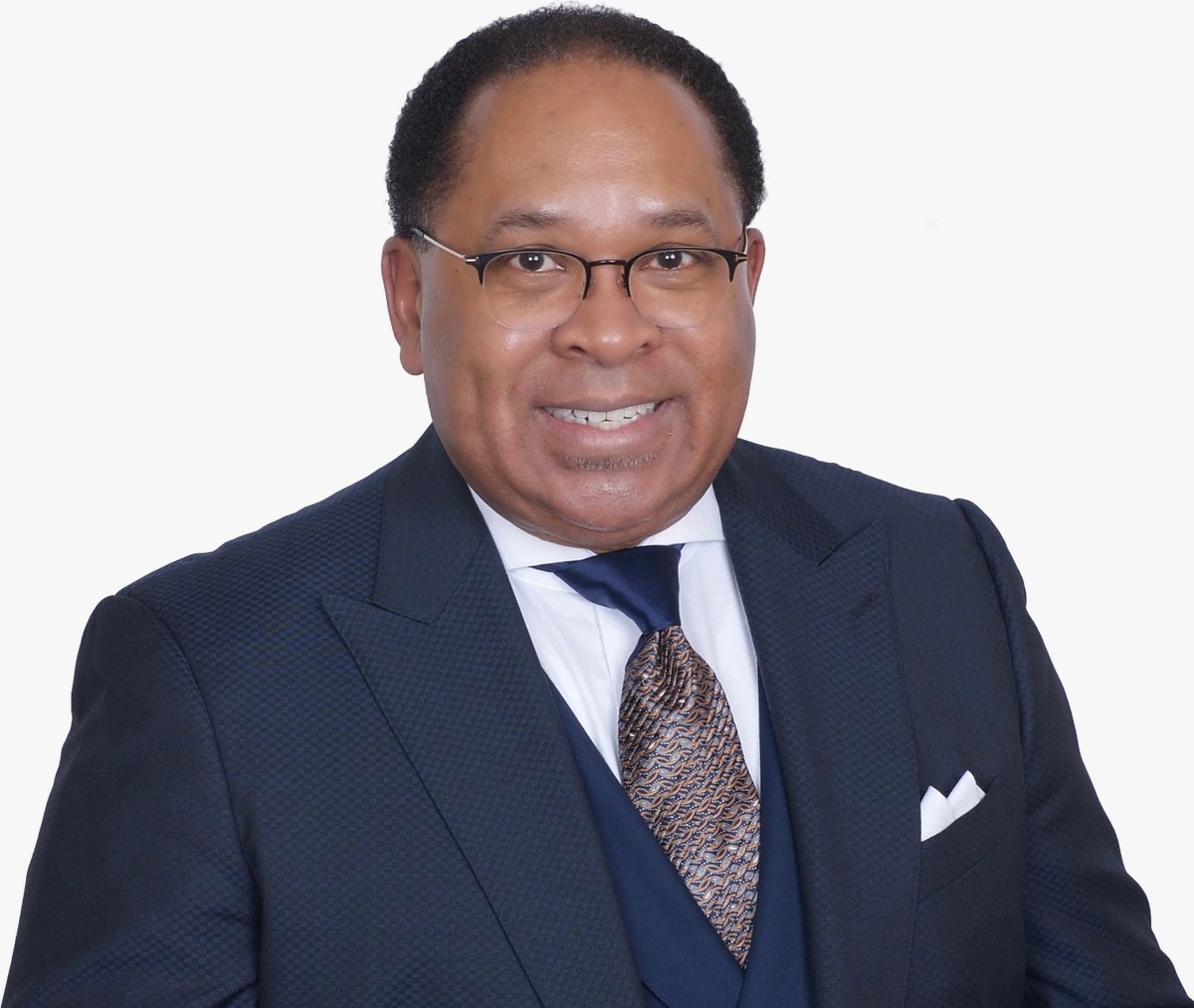
Pastor Irvin Barrett discusses the role of the Justice of the Peace, court accessibility, truancy, and the importance of impartial public service as he seeks to serve Precinct 3.
The Role of Justice of the Peace
Collin Chronicles: What do you believe is the most important responsibility of a Justice of the Peace?
Pastor Irvin Barrett:The Justice of the Peace court is where the law meets people in some of the most stressful moments of their lives: a family facing an eviction, a parent worried about a child’s truancy case, or a resident trying to resolve a small claim. The challenge is to make sure the court is both fair and understandable. People should not feel that the process is a maze they cannot navigate simply because they do not have an attorney.
I have spent my life serving people as a pastor, chaplain, community advocate, and public servant. That experience has taught me to listen carefully, treat people with dignity, and recognize the human consequences behind every case. If elected, I would lead a court that is organized, responsive, and respectful, while applying the law impartially.
Compassion does not mean favoritism; it means every person is heard and treated fairly. Collin County describes justice courts as handling civil and minor criminal matters and performing important magisterial duties. The court’s role is significant, and residents deserve a judge who takes both the law and the responsibility to serve seriously.
Why Should Voters Choose You?
Collin Chronicles: You ran in 2022. Why are you running again, and what distinguishes your candidacy?
Pastor Irvin Barrett: I ran in 2022 because I believed Precinct 3 deserved a judge who would bring a strong commitment to service, fairness, and community trust to the bench. Since then, I have continued listening, learning, and showing up in the communities I hope to serve.
Running again has strengthened my understanding that this office is not about a title. It is about responsibility. My life’s work has been centered on people. As a pastor and chaplain, I have walked with individuals and families through conflict, grief, crisis, and difficult decisions. I have also served in community roles that required patience, judgment, and accountability.
Those experiences do not replace legal training or the obligation to follow the law. However, they have taught me to take people seriously, prepare carefully, and never forget that a court’s decisions affect real lives.
Collin County is growing, and its court must keep pace with the needs of its residents. I am running to bring steady, accessible, and people-centered leadership to Precinct 3—leadership that listens, treats everyone with respect, and earns public trust through its actions.
What Would Actually Change Under Your Leadership?
Collin Chronicles: If elected, what specific changes would residents see during your first year in office?
Pastor Irvin Barrett: In the first year, residents should see three practical changes.
First, clearer guidance. I would work to make court information easier to find and understand, including plain-language explanations of common procedures, deadlines, and where to get help. People should know what to expect before they walk into court.
Second, better access. I would review ways to improve scheduling and expand the use of virtual proceedings where permitted and appropriate. I would also pursue expanded access hours in coordination with the county, since court operating days and hours follow the schedule approved by Commissioners Court.
Third, a more constructive approach to truancy. I would support appropriate coordination with schools, families, and community resources to address the reasons a student is missing school, while ensuring every case is handled according to the law and the facts.
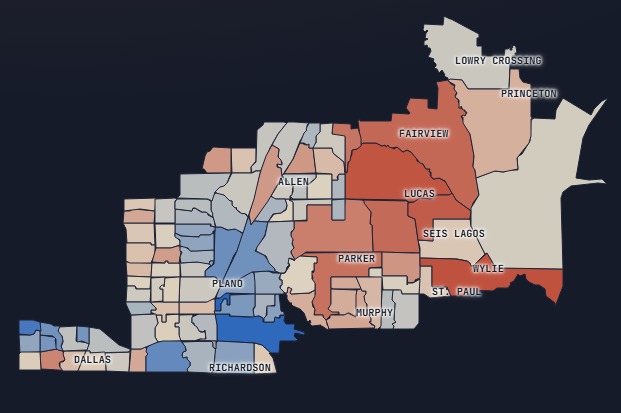
Justice of the Peace, Place 3 Map
I would measure progress by tracking how quickly residents can get basic information, how often hearings are delayed or rescheduled, whether residents can successfully use remote options, and whether truancy cases connect families with useful support.
Good intentions are not enough; the public should be able to see whether changes are working.
How Will the Average Voter or Resident Benefit?
Collin Chronicles: How would your proposed approach affect the everyday experience of residents who interact with the Justice of the Peace court?
Pastor Irvin Barrett: Most people do not spend their days thinking about the Justice of the Peace court. They think about it when a citation arrives, a housing dispute becomes urgent, or they need to bring a small-claims case.
At that moment, clear information and respectful treatment matter. I want residents to be able to understand where to go, what documents they may need, what a hearing involves, and what questions court staff can answer.
The court should communicate in plain language and make its information easier to access, including online. That does not mean court staff can give legal advice; Collin County’s current JP3 guidance makes clear that clerks cannot do that. It does mean residents should be able to get clear procedural information and know where to look for additional resources.
As judge, I would listen carefully, prepare thoroughly, and make sure each person has a fair opportunity to be heard. The average resident benefits when the court is efficient, understandable, impartial, and respectful—especially when the issue before them is affecting their home, family, finances, or future.
Collin County’s Changing Political Landscape
Collin Chronicles: Collin County is experiencing demographic growth and changes in its political and social landscape. How do you view these changes, and what does that mean for your approach to serving residents?
Pastor Irvin Barrett: Collin County is changing, and its communities are becoming more diverse in their experiences, needs, and perspectives. I see this election as part of a larger conversation about how local government can earn trust as our county grows.
But a courtroom is not a place for party politics. A judge’s duty is to the law, the facts, and equal treatment under the law.
Across the political spectrum, I believe voters want judges who are prepared, fair, patient, independent, and accountable. They want a court that works efficiently and treats people with dignity, whether someone is a longtime resident or new to the county, wealthy or struggling, represented by an attorney or appearing on their own.
My faith calls me to serve people, and my experience has taught me that service must be offered with humility and fairness. If elected, I will serve every resident of Precinct 3, not just those who agree with me or supported my campaign. That is the standard I believe the office demands.
Closing Perspective
Pastor Irvin Barrett’s interview focuses on the intersection of judicial responsibility and public access. His proposed priorities include clearer court information, improved scheduling and virtual access where permitted, and a focus on connecting truancy cases with appropriate community resources.
As the race for Justice of the Peace in Precinct 3 develops, questions about court operations, legal obligations, and residents’ access to justice will remain important issues for voters to consider.
*This interview was conducted by email for Collin Chronicles. Responses have been edited for clarity and presentation while preserving the substance of the candidate’s answers.
**Interviewed by: Dr. Ifte Islam