

Texas Democrats Look to Suburban Surge as Key to Flipping the State House

Share
As political momentum builds ahead of the 2026 elections, Texas House Democratic Leader Gene Wu says the path to reshaping Texas politics may run through fast-growing suburban counties like Collin County.
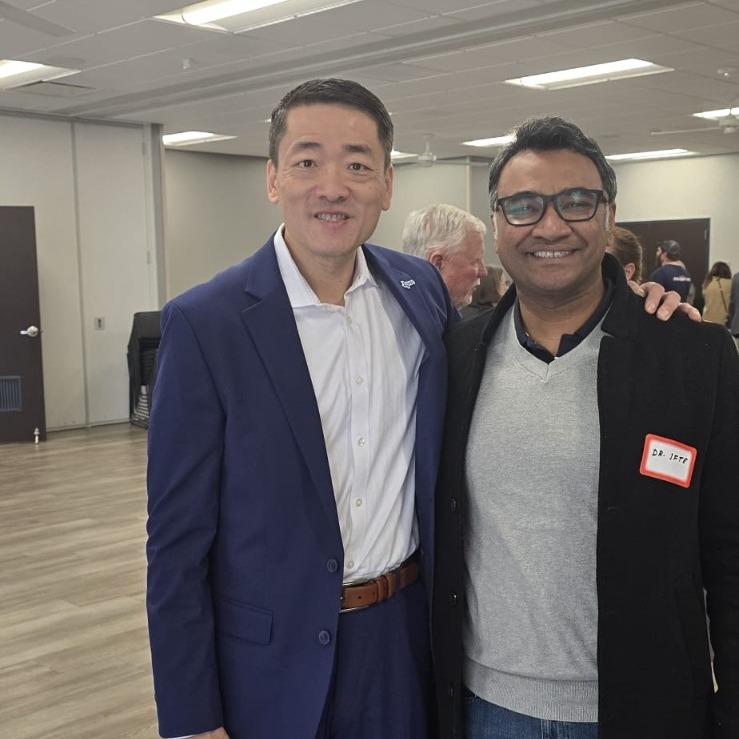
During a recent zoom interview hosted by Collin Chronicles, Wu joined local Democratic candidates and community leaders to discuss shifting political dynamics, economic concerns among voters, and the strategic importance of suburban districts in the battle for control of the Texas House of Representatives.
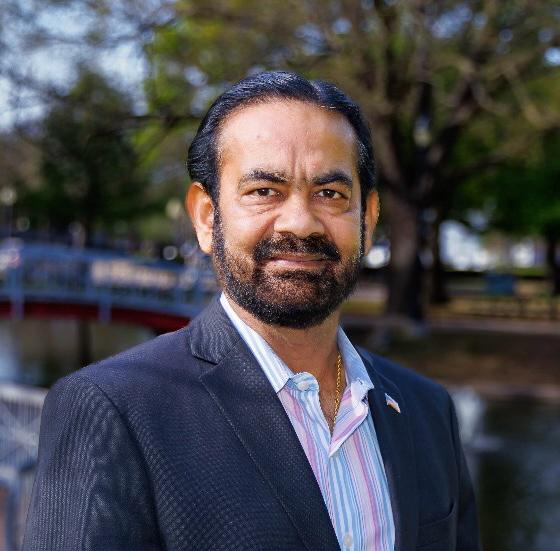
The conversation, moderated by Collin Chronicles editor Dr. Ifte Islam, also included House District 66 candidate Sandeep Srivastava and House District 89 candidate Angie Carraway.
A Changing Political Landscape
Wu described Texas as a “non-voting blue state,” arguing that Democratic potential exists but turnout and messaging remain key obstacles.
“Demographic change alone isn’t enough,” Wu said. “People are moving to Texas from across the country, but if we don’t speak to the issues that matter to voters—jobs, education, and economic security—then that shift won’t translate into electoral change.”
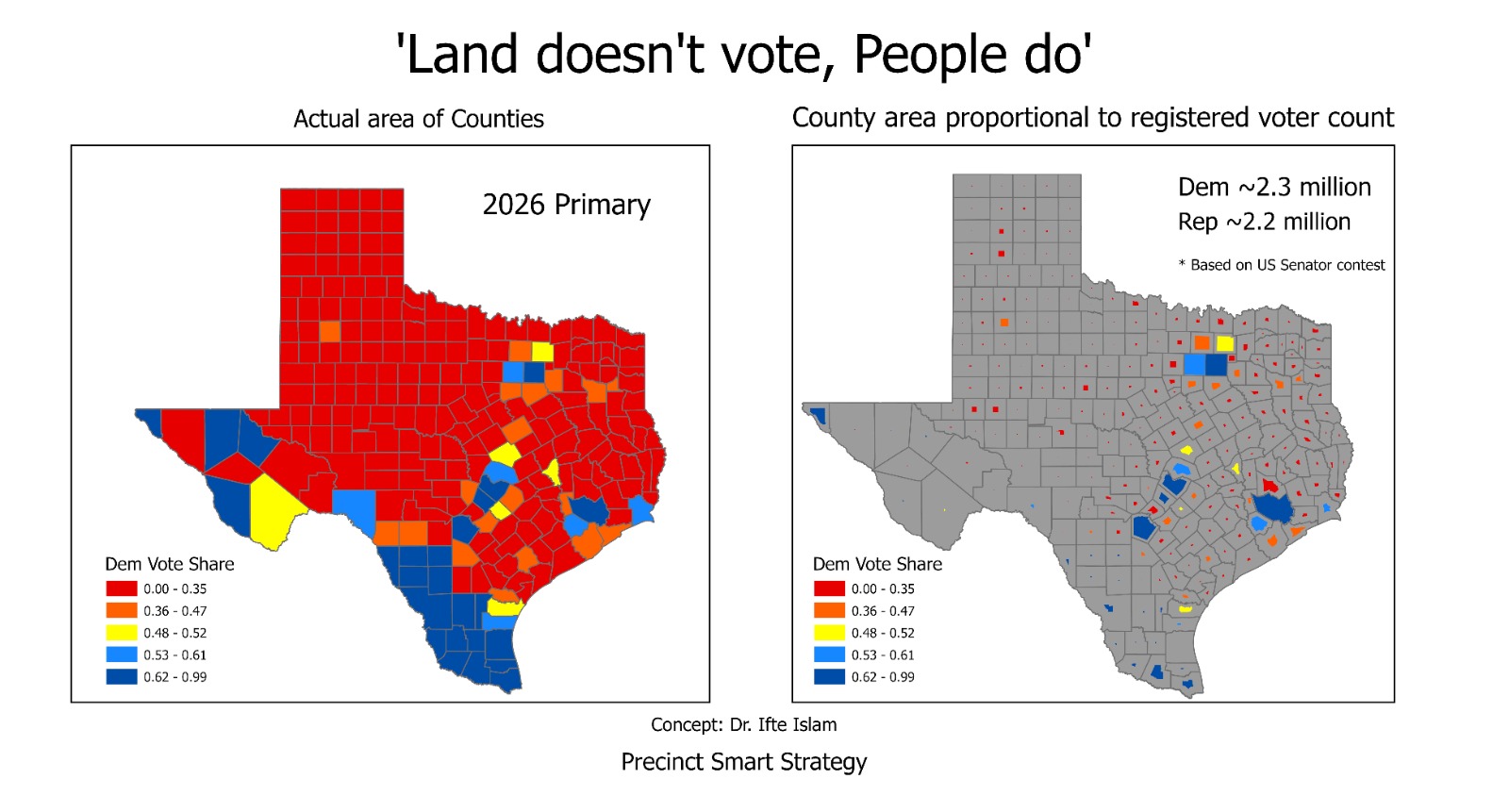
Collin County illustrates this transformation. Once considered reliably Republican, the county has seen significant growth in diverse populations and Democratic turnout. According to primary election data referenced during the discussion, Democratic participation in the county’s recent primary elections has surged dramatically in recent years.
Wu emphasized that Democrats must resist being drawn into cultural controversies that dominate political discourse.
“Too often we chase whatever topic our opponents throw out,” he said. “Instead, we should stay focused on the everyday issues that affect people’s lives—economic stability, education, healthcare, and opportunity.”
Lessons from the Primaries
For candidates like Carraway, a public-school teacher running in House District 89, the recent primary results suggest growing engagement.
“In 2022 there wasn’t even a Democratic candidate in my race,” Carraway said. “Now we’re seeing three times the turnout compared to earlier cycles. That tells us people are paying attention.”
Wu said the biggest lesson from recent elections is that voters are increasingly concerned about economic insecurity.
“People are struggling,” he said. “Teachers, working families, professionals—many are unsure if they can make ends meet week to week. If Democrats want to connect with voters, we must acknowledge that reality and offer solutions.”
He added that the party must return to its core identity as a coalition representing working- and middle-class Americans.
“Our message should be simple,” Wu said. “We are the workers. We are the people who keep the country running. Government should make sure people can live with dignity and stability.”
Why the Texas House Matters
One of the central themes of the discussion was the strategic importance of flipping the Texas House.
Wu argued that controlling the chamber could have national implications because state legislatures draw congressional districts during redistricting cycles.
“Texas is expected to gain additional congressional seats after the next census,” he explained. “Whoever controls the legislature controls how those districts are drawn.”
Compared with multimillion-dollar congressional races in states like California or New York, Wu noted that competitive state legislative campaigns in Texas require far fewer resources.
“For donors looking for impact, investing in state legislative races here offers enormous leverage,” he said. “Control of the Texas House could influence the balance of power in Congress for the next decade.”
Connecting With Diverse Communities
Sandeep, whose district includes rapidly diversifying areas of Plano and Frisco, asked how Democrats can better connect with growing immigrant communities.
Wu said the key is treating voters as Americans first, rather than approaching each group with narrowly defined messaging.
“Every community wants the same things—safe neighborhoods, good jobs, strong schools, and opportunity for their children,” he said. “We should talk about those universal concerns rather than assuming different communities only care about a single issue.”
He also stressed the importance of civic engagement among immigrant communities, reminding attendees that political participation is essential to protecting democratic rights.
Education at the Center
Education policy was another major focus of the conversation.
Carraway, who has taught in Collin County public schools for 14 years, raised concerns about classroom resources and increasing demands placed on teachers.
Wu agreed that public education must remain a top priority for lawmakers.
“Texas already ranks near the bottom nationally in school funding,” he said. “If Democrats gain the majority in the House, education will be at the top of the agenda.”
He argued that strengthening public education is essential not only for students but also for the state’s long-term economic competitiveness.

Engaging the Next Generation
The discussion also turned to younger voters, many of whom lean progressive but often participate at lower rates in elections.
Wu suggested the solution is straightforward: listening.
“Don’t talk at young people—talk with them,” he said. “Ask what they care about and show them their voices matter in shaping the future.”
Looking Ahead
Despite political challenges, Wu expressed optimism about the future of Democratic organizing in Texas.
“I think we’re seeing the beginning of a silent majority finding its voice,” he said. “People across communities want the same basic things—a fair chance, a decent life, and a government that works for them.”
For candidates like Srivastava and Carraway, the road to the 2026 general election will test whether those changing demographics and rising engagement can translate into electoral victories.
If they do, Collin County may become one of the most closely watched battlegrounds in Texas politics—and potentially a turning point in the state’s political trajectory.