

Outrage about Indian H-1B visas is Frisco is followed by accusations in Election Results

Share
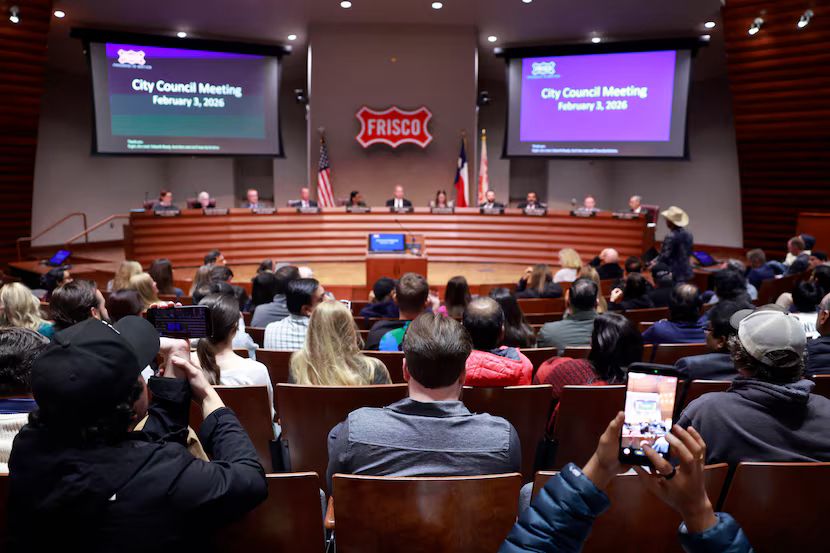
A recent article in Frisco Chronicles about Election Results for the City Council race has raised doubts about the results. The elections result for Ann Anderson was challenged recently by the formed Fire Chief Mark Piland. The article points out to the narrow margin in the election result and points out to the voter mobilization by Nadeem Zaman, a longtime community leader, with a history on Civic Engagement and Voter Mobilization.
The writer points out to some previous highly contested election wins and links them to Mr. Zaman. It goes on to say that some in the city council may have favored Nadeem Zaman so he can help build a new mosque in Frisco. While the article in the local publication links Nadeem Zaman to voter mobilization, it fails to points out to any misdoings.
Could it be that the mobilization reflected broader concerns about representation, inclusion, zoning fairness, small business growth, and community services?
It looks like Nadeem Zaman encouraged eligible voters to make their voices heard in local elections—an action that is both lawful and fundamental to American democracy.
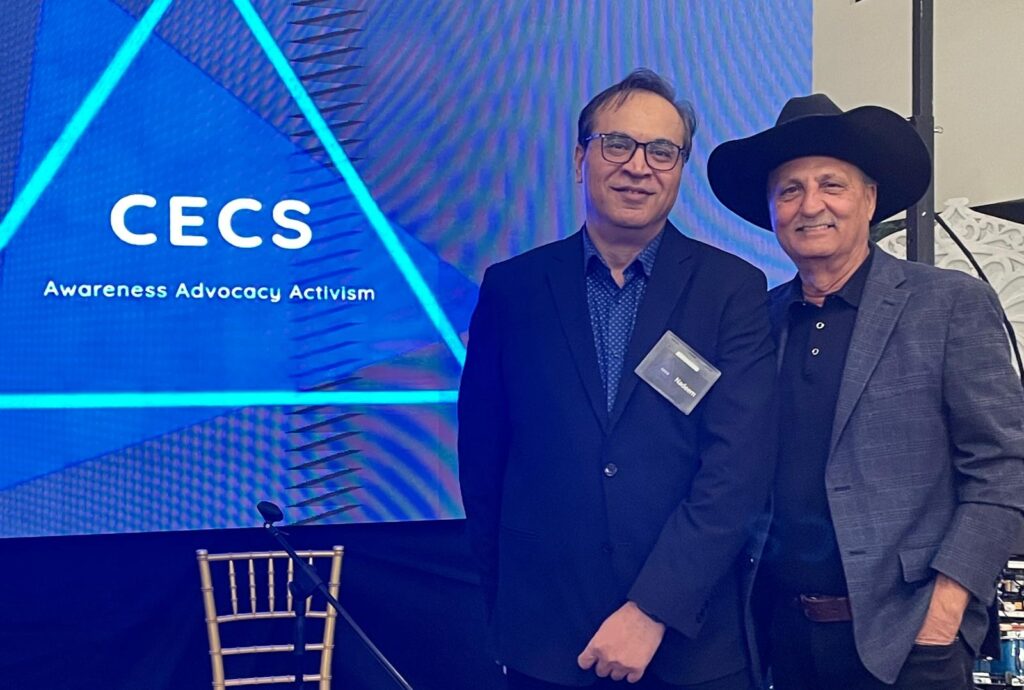
There are a lot of images and drawings posted in the article shoeing pictures of Frisco Mayor Jef Chenney, Frisco City Council Member Angelia Pelham, and new elected City Council Member Ann Anderson with Mr. Zaman.
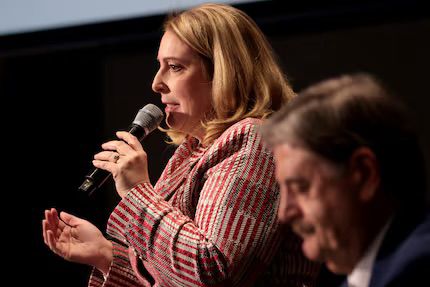
Zaman’s influence stems not from division, but from trust. Over the years, he has built credibility within the community by emphasizing education, civic engagement, and constructive dialogue. The South Asian community in Frisco is largely composed of highly educated professionals—engineers, physicians, IT specialists, small business owners, and entrepreneurs—who are deeply invested in the city’s long-term prosperity. They are moderate in outlook and broadly aligned with core American values such as religious freedom, equal opportunity, and civic responsibility.
Encouraging these residents to vote is no different from efforts by churches, chambers of commerce, or neighborhood associations that mobilize their members around issues important to them. Civic engagement is not transactional; it is participatory. When communities organize, they amplify their voice within the democratic process. That is exactly what happened in this case.
The discussion around a new mosque should also be viewed within the broader American context of religious liberty. Faith communities of all backgrounds regularly seek permits to build churches, temples, synagogues, and mosques. The process involves zoning laws, planning commissions, and community feedback—standard procedures that apply equally to all groups. Framing participation in that process as inappropriate overlooks the principle that religious freedom is protected under the Constitution.
What stands out in this Special Election is not controversy, but maturation. The South Asian community in Frisco demonstrated that it is organized, informed, and prepared to participate in local governance in meaningful ways. Strong voter turnout signals integration, not separation. It reflects a population that cares about schools, infrastructure, economic growth, and the city’s future.
Ann Anderson’s support among these voters illustrates how candidates who emphasize inclusion and collaborative governance can build broad coalitions. At the same time, constructive engagement with city leaders like Mayor Cheney and Councilwoman Pelham shows that dialogue across political lines makes Frisco strong.
In many ways, this moment represents a milestone for Frisco. As the city continues to diversify, its political landscape will naturally evolve. Leaders who can bridge communities—encouraging civic participation while building relationships across cultural and political divides—will shape that evolution.
Rather than casting civic mobilization in a negative light, it may be more accurate to view it as a sign of democratic vitality. When educated, moderate, community-minded residents step forward to vote and engage with city leadership, they strengthen the institutions they participate in.
That is not a story of division. It is a story of influence earned through trust, dialogue, and commitment to shared American values.

