

Low Primary Turnout Gives Few Texans Outsized Power in Shaping 2026 Elections

Share
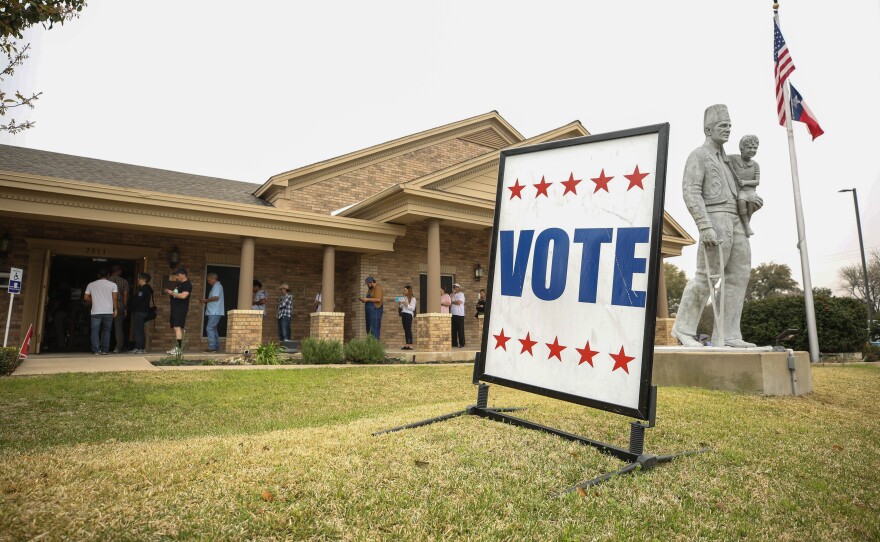
As campaign ads begin to fill the airwaves and fundraising appeals land in inboxes, Texas’ 2026 midterm elections are already well underway — even though November is still months away. The first major milestone arrives soon: early voting for the March party primaries begins Feb. 17, giving more than 18 million registered Texans the chance to help decide which candidates will appear on the general election ballot. Yet history shows that only a small fraction of those voters are likely to participate.
During the last midterm cycle in 2022, just 3 million Texans voted in the primaries — about 17% of registered voters at the time. That low turnout means a relatively small group of highly motivated voters often ends up deciding which candidates move forward, quietly shaping the political future of the state long before the general election.
According to Joyce LeBombard, president of the League of Women Voters of Texas, everyday life plays a major role in keeping voters away from the polls. “People live very busy lives,” she said, pointing to work, family and other responsibilities. But she also believes many Texans underestimate the importance of primary elections. “They don’t understand how important they are,” LeBombard added. Political experts say the voters who do turn out tend to be the most ideologically driven on both ends of the spectrum. Brent Boyea, who teaches American politics at the University of Texas at Arlington, explains that primary voters are often the most engaged year-round.
“They’re the more conservative Republicans and the more liberal progressive Democrats,” Boyea said. These voters are more likely to organize, mobilize others, and show up without needing reminders — giving them disproportionate influence over which candidates survive the primary stage.As a result, candidates who make it to November often reflect the priorities of these highly active groups, rather than the broader electorate. Boyea notes that most Texans fall somewhere in the middle politically.
“The typical voter is still a moderate voter — moderate Republican, moderate Democrat, or someone who doesn’t identify strongly with either party,” he said. That gap between primary voters and the general public is made even wider by Texas’ heavily gerrymandered political map. LeBombard says many races across the state are effectively decided during the primaries, not in November, because districts are drawn so safely for one party. With that reality, the March primaries carry enormous weight — sometimes more than the general election itself. Skipping them can mean surrendering the only meaningful chance to influence who ultimately represents a community.
As Texas heads toward another election cycle, the message from election experts is clear: when voters sit out the primaries, they leave crucial decisions in the hands of a few — and the direction of state politics is set long before most people realize it.